Rediscover a Confident, Permanent Smile
Living with loose dentures can feel exhausting. Sore spots, rubbing, and unreliable adhesive turn simple things like eating lunch with friends or talking in a meeting into constant stress. Many people worry about their teeth slipping at the worst moment, so they smile less, laugh carefully, and avoid the foods they actually enjoy.
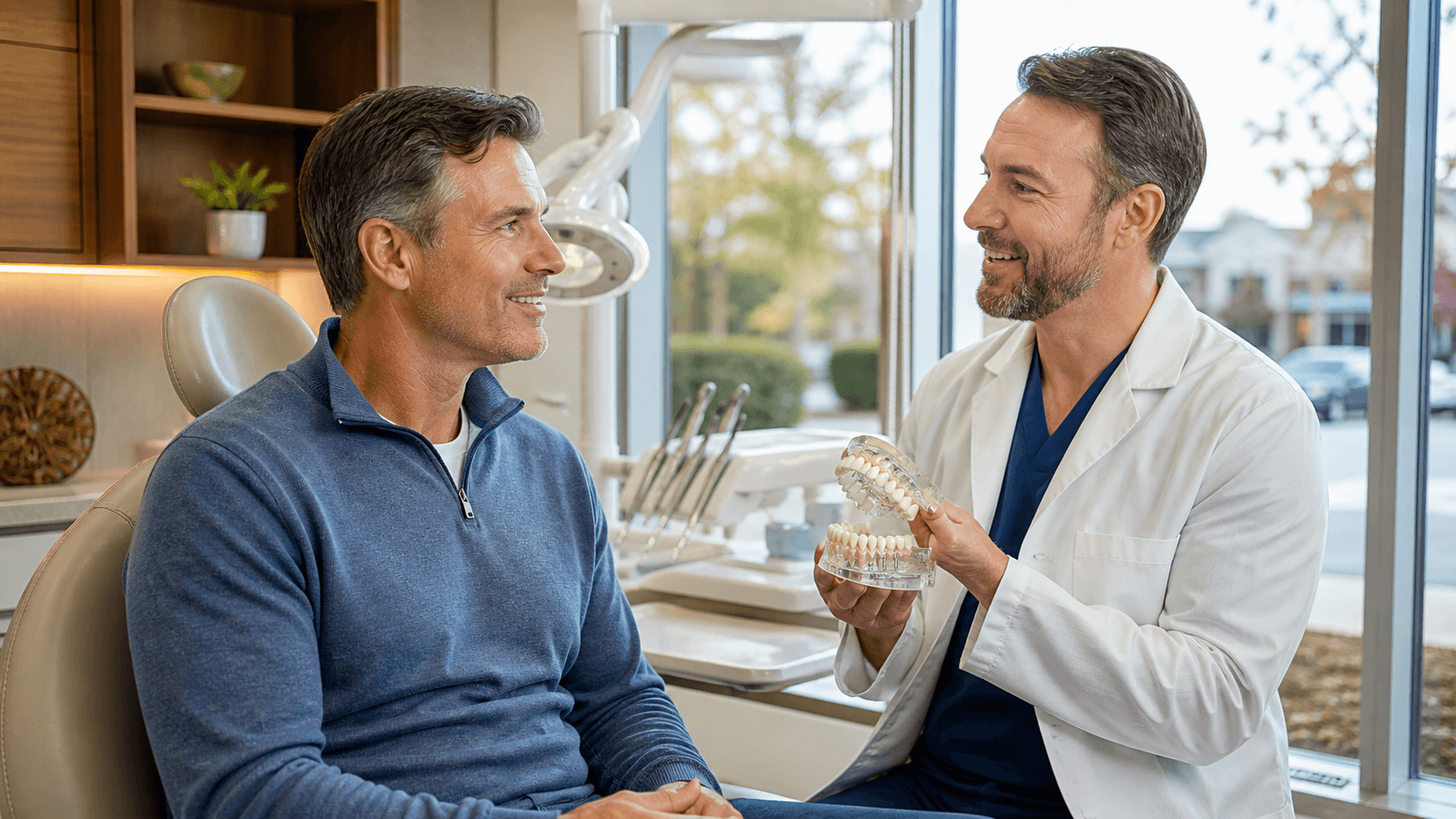
At Ridgetop Dental Implants, we focus on helping adults with missing or failing teeth move past these daily frustrations. All-on-6 treatment is a fixed, implant-supported option that replaces an entire arch of teeth with a stable, natural-looking smile. When you compare immediate dentures vs. implants, you are not just choosing between two dental procedures; you are choosing how comfortable, confident, and healthy you want life to feel for years to come.
Stability and Confidence You Can Rely on
Traditional dentures simply sit on top of the gums. They rely on suction and adhesive, which is often unreliable, especially for lower dentures. Even when they fit well at first, changes in the jawbone can cause slipping, rubbing, and sore spots. Many denture wearers feel they must constantly adjust their teeth with their tongue, carry adhesive everywhere, and worry about an unexpected click or pop while speaking.
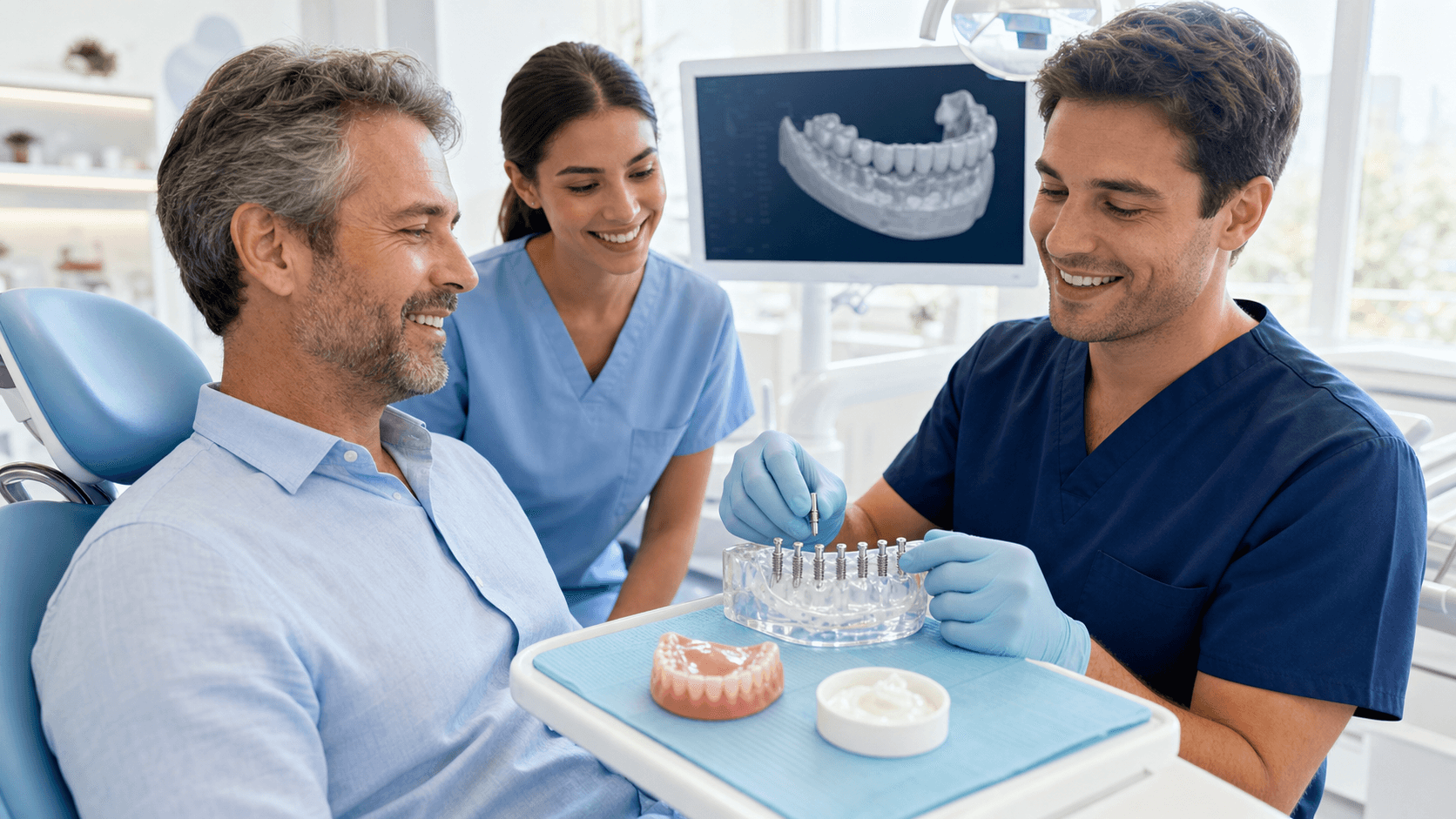
All-on-6 is different. With this approach, six dental implants are placed strategically in the jaw. These implants act like secure anchors that hold a full arch of teeth in place. The teeth are fixed, not removable by the patient, so they do not shift when you talk, chew, or smile. This stability lets many people feel comfortable at work, in social settings, and in close conversations without wondering if their teeth will move.
Think about two common experiences. One person with loose dentures might avoid group dinners, refuse to speak up in meetings, or stay out of photos because they do not trust their teeth. Another person with All-on-6 can focus on the conversation or the presentation instead of worrying about whether a denture will slip. The difference is not just physical stability; it is the freedom to participate fully without constant self-consciousness.
Stability also affects the way you sound. Removable dentures can shift as your tongue moves, which can blur certain words, create a lisp, or produce clicking noises. A fixed All-on-6 bridge tends to feel more like your own teeth, helping many patients speak more clearly and confidently.
Bone Preservation and Long-Term Oral Health
When teeth are missing, the jawbone no longer receives regular stimulation from chewing. Over time, the body responds by shrinking that unused bone. This bone loss can cause the lower face to look collapsed or sunken and can make dentures feel looser and more uncomfortable as the shape of the jaw changes.
This is one of the biggest differences when we look at immediate dentures vs. implants. Dentures rest on the gums and do not connect with the bone. They can help you look better at first and restore some function, but they do not stop bone from shrinking underneath. As the bone changes, dentures often require relines, adjustments, or complete remakes.
All-on-6 implants are placed in the jawbone and act like artificial tooth roots. When you bite and chew, these implants transmit forces into the bone, which can help support bone volume and maintain facial structure. Over time, this can mean:
- A more stable, comfortable bite
- Better chewing efficiency
- Less strain on the jaw joints
- Fewer major denture adjustments
Many people worry about looking older than they feel because of missing teeth and facial collapse. By supporting the bone and lips from within, an implant-supported full arch can help maintain a fuller facial profile and a more youthful appearance.
Eat the Foods You Love Without Fear
Food is a big part of everyday life, from family dinners to quick snacks on the go. Traditional dentures can make eating stressful. Sticky foods may pull them loose, hard or crunchy foods can cause painful pinching, and many people end up cutting everything into tiny pieces or avoiding their favorite dishes entirely.
With All-on-6, the implants create a strong base for a fixed set of teeth. This setup allows bite forces to be transferred through the implants into the bone in a way that can feel closer to natural teeth. Many patients find they can enjoy a more varied diet, including foods that were difficult with dentures.
Think about the difference between always choosing soft pasta or mashed foods and being able to bite into an apple, enjoy a sandwich without worry, or eat grilled meats without the fear of something slipping. That freedom affects more than pleasure; it influences nutrition and general health. For adults who are already managing other medical conditions, being able to eat balanced meals with plenty of fiber, protein, and fresh produce can make a meaningful difference.
Better chewing also supports digestion. Thoroughly chewed food is easier for your body to process, so your mouth becomes the true starting point of better overall wellness.
Daily Care, Comfort, and Real-World Convenience
Removable dentures require a daily routine that can feel very clinical. They must be taken out at night, cleaned separately from your mouth, soaked in solutions, and stored carefully. Adhesives need to be applied and removed, and there is always the risk of dropping and breaking the denture when handling it.
All-on-6 full-arch restorations are not removed by the patient, so life feels more like living with natural teeth. Daily care typically includes:
- Brushing the teeth and gums twice a day
- Cleaning under the bridge using floss threaders or a water flosser
- Using recommended rinses if advised
- Regular professional cleanings and checkups
There is no cup on the nightstand, no plate soaking by the sink, and no adhesive routine. Many people appreciate that their teeth feel like a natural part of their mouth instead of a removable appliance.
Comfort is another important factor. A traditional upper denture usually covers the palate, which can make the mouth feel bulky and can dull the sense of taste and temperature. An implant-supported arch is typically slimmer and does not cover the palate in the same way, which can help food taste better and make hot and cold sensations more natural.
When we compare immediate dentures vs. implants in daily life, implants often mean fewer constant reminders that your teeth are artificial. The experience feels more integrated, which supports confidence and comfort throughout the day.
Long-Term Value and Peace of Mind
At first glance, removable dentures usually cost less than implant treatment. However, it is important to consider the ongoing expenses that come with them. As the jawbone changes, dentures often need relines, adjustments, and eventual replacement. There are also regular costs for adhesives, cleaning products, and possible repairs if the denture cracks or breaks.
All-on-6 implants are designed as a long-term solution. The implant posts are made from biocompatible materials that integrate with your jawbone. With consistent care and regular dental visits, they can serve as a stable foundation for many years. While there can still be maintenance over time, the goal is a solution that supports lasting comfort and function, not frequent replacement.
We recognize that surgery can feel intimidating. Patients often ask about healing time, discomfort, and what they can expect each step of the way. At our implant-focused practice in Virginia, we use advanced planning and imaging to carefully design each case, with a strong emphasis on safety and comfort. Many people who feel they are "too far gone" with failing or missing teeth are surprised to learn that All-on-6 can often move them directly from painful, broken teeth or unstable dentures to a fixed, secure smile, sometimes with provisional teeth placed the same day their implants are set.
When you weigh immediate dentures vs. implants, it helps to think beyond the next few months and look ahead to how you want to eat, smile, and live over the coming years. For many adults, All-on-6 offers the stability, confidence, and long-term health support that removable dentures have never quite delivered.
Take The Next Step Toward a Confident, Lasting Smile
If you are comparing immediate dentures vs. implants, we can walk you through what each option means for your health, comfort, and budget. At Ridgetop Dental Implants, we take time to understand your goals so we can recommend a treatment plan that truly fits your life. Schedule a visit so we can answer your questions, review your options, and show you what your new smile could look like. To book an appointment or ask a question, please contact us.