
How Implants Shape Your Smile, Not Just Your Age
Many adults in their 40s, 50s, 60s, and beyond look at photos and feel like their smile has "collapsed" or looks tired. The teeth are harder to see, the lips look thinner, and the face can feel different than it did years ago. This is not only about wanting to look younger, it is about wanting your face and smile to feel like you again.
A big part of this change comes from jawbone loss after teeth are lost or removed. When the bone under your lips and cheeks shrinks, everything on top of it can look flatter or tucked in. Dental implants give us a way to rebuild that foundation, support your lips, and bring back a natural curve to your smile.
If you have been avoiding photos or hiding your teeth when you laugh, you are not alone. With modern planning tools and gentle techniques, implant treatment does not have to be scary or painful. At Ridgetop Dental Implants in Northern Virginia, we focus on comfort, confidence, and long-lasting results so you can feel at ease every step of the way.
How Jawbone Loss Quietly Changes Your Face Over Time
When natural teeth are in place, their roots help keep the jawbone active. Chewing sends signals through those roots that tell the bone to stay strong. When teeth are missing, that area of bone is no longer "exercised," so the body slowly absorbs it.
Over time, many people start to notice small but frustrating changes, such as:
- Lips that look thinner or less supported
- Deeper lines around the mouth
- A "sunken" or collapsed look when dentures are out
- The lower face looking shorter or closer to the chin
These changes also affect the way your smile looks:
- Less tooth showing when you talk or smile
- Lips folding inward and hiding the teeth
- A smile that feels flat or uneven instead of gently curved
None of this means you have failed at taking care of yourself. This is simply how the body responds when teeth are gone. At our office, we use advanced 3D imaging to gently check jawbone levels, explain what we see, and talk through options with you at your own pace.
Lip Support, Tooth Display, and Smile Arc Explained Simply
To understand how implants help, it is useful to know three simple ideas: lip support, tooth display, and smile arc.
- Lip support is the gentle "scaffolding" your teeth and jawbone give your lips. When the structure underneath is strong, the lips look naturally full and supported.
- Tooth display is how much of your front teeth you show when your face is at rest, when you are talking, and when you smile. Too little can make your smile look hidden, too much can look or feel "gummy."
- Smile arc is the curve your upper teeth make when you smile. In a pleasing smile, this curve usually follows the curve of your lower lip.
When jawbone is lost, this harmony is disturbed. The lips lose support and can fold inward. Remaining teeth may tilt or shift, so less tooth shows or the smile line becomes uneven. The smile arc can flatten out or look "broken" in the middle.
Well-planned dental implants help bring this balance back by:
- Rebuilding the foundation under the lips and cheeks, not just placing fake teeth
- Shaping and positioning new teeth to match your face, lips, and personality
- Using digital smile design tools so you can preview changes in tooth display and smile arc before treatment
A helpful way to think of it is like a favorite framed photo. If the frame is bent, the picture hangs crooked and does not look quite right. Implants and restorations let us rebuild the frame so the "picture" of your smile looks straight, balanced, and catches the light beautifully again.
How Dental Implants Rebuild Your Smile's Foundation
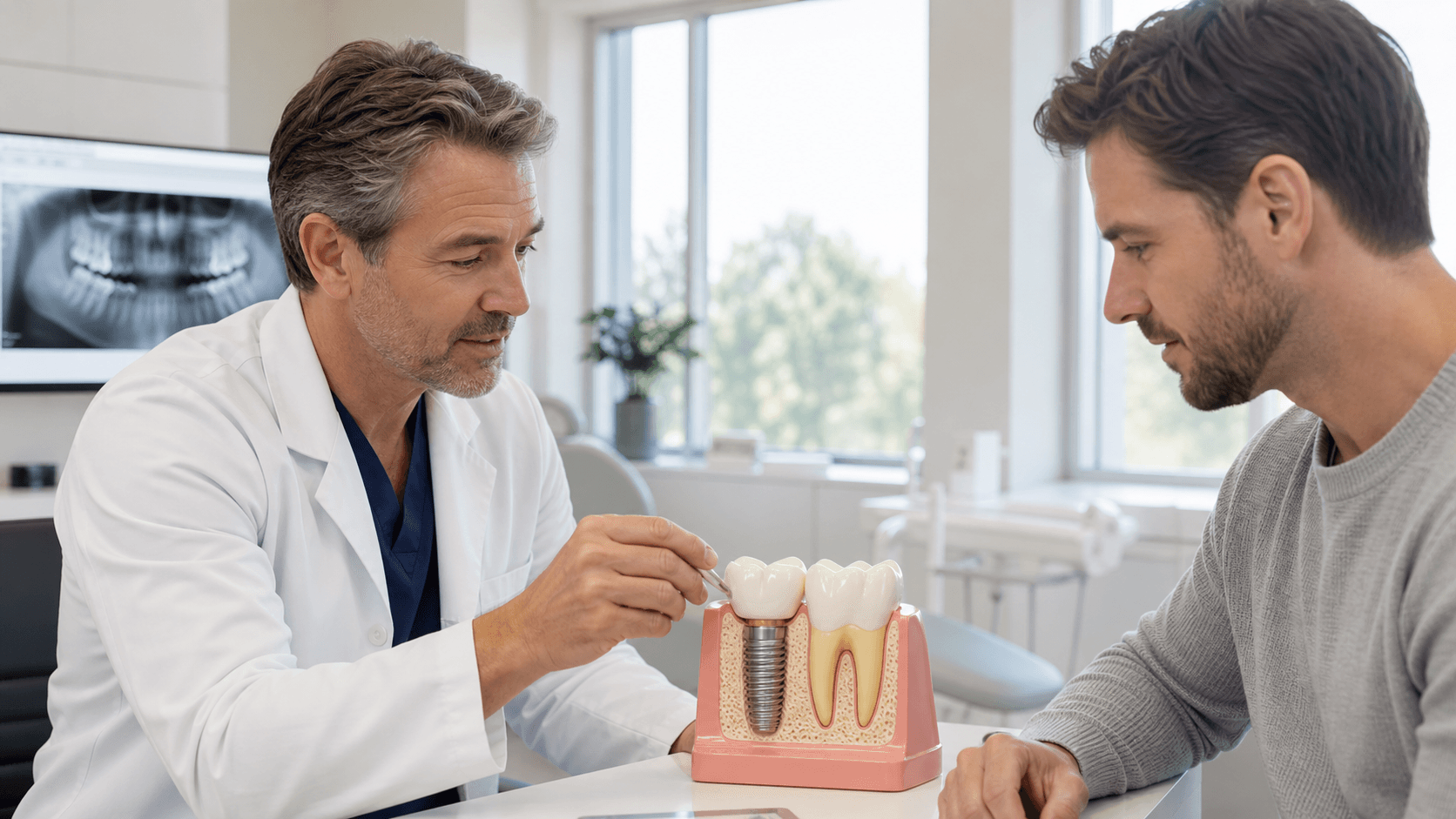
Understanding jawbone loss and implants together shows why implants are more than a simple tooth swap. An implant acts like a new tooth root in the jaw. It helps keep the bone active and supported, just like a natural root would.
When we place implants in the right positions, they can:
- Support the lips and cheeks from underneath
- Help maintain or restore the height of your bite
- Create space for teeth that show naturally when you speak and smile
For your smile aesthetics, this can mean:
- Better lip fullness and support without relying on fillers
- A more natural amount of tooth showing at rest and in photos
- A smoother smile arc that matches the shape of your face
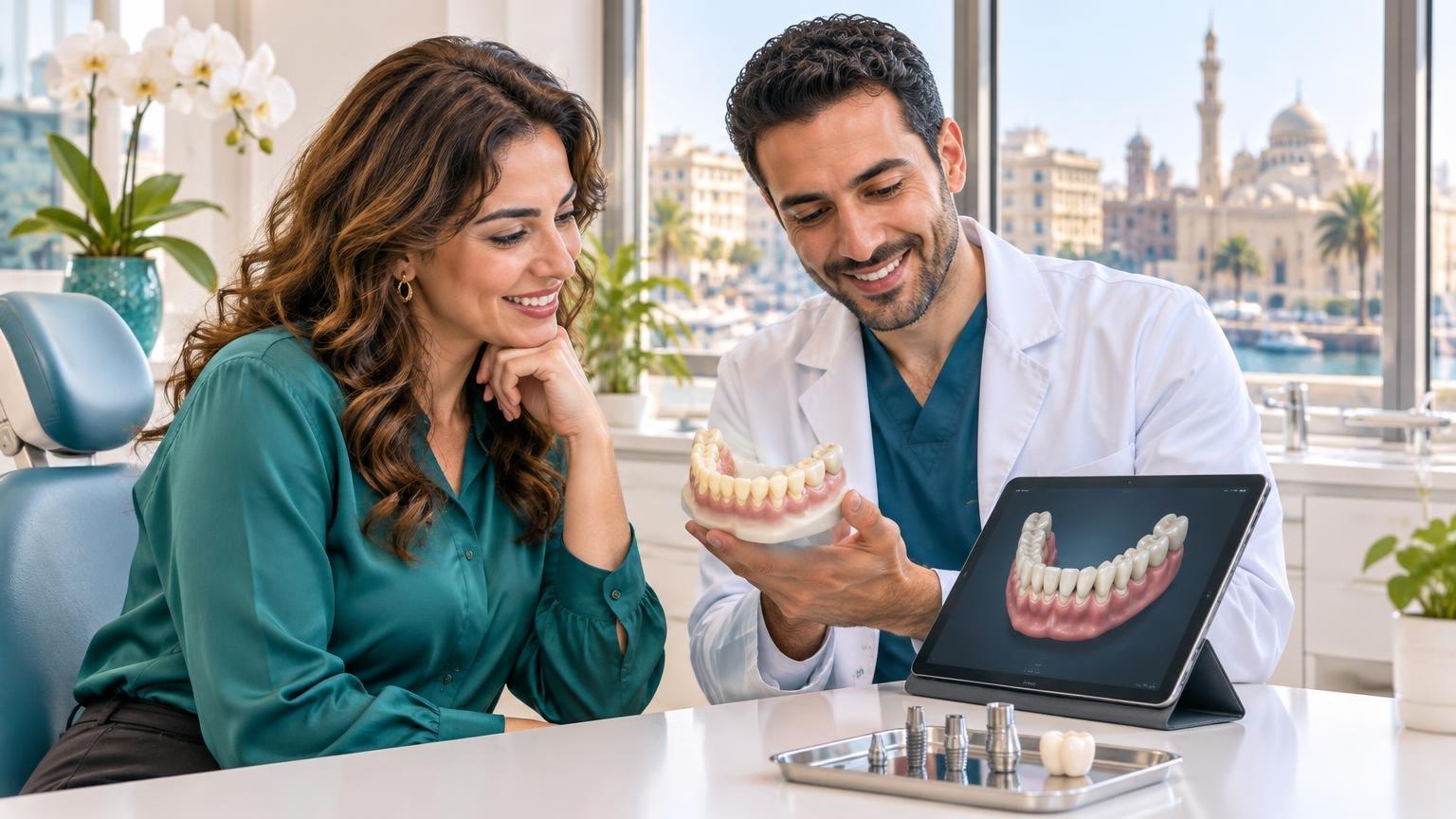
Many people come to us feeling like their upper lip is folding in or like they have to force a smile. With full-arch implants and custom-designed teeth, they often notice their lips feel supported again, their teeth show more naturally, and they can relax when the camera comes out. To keep treatment gentle and precise, we plan with 3D imaging, guided surgery, and we offer sedation options so anxious patients can feel calm and comfortable.
Full-Arch vs. Single Implants: Choosing the Right Support
Not everyone needs a full mouth of implants. The right plan depends on how many teeth are missing and how much support your lips and jaw need.
Single-tooth implants are a good choice when only one or a few teeth are gone. They help:
- Keep the nearby jawbone active in that area
- Prevent neighboring teeth from drifting or tipping
- Maintain a smooth, even smile line
Full-arch implants are used when most or all teeth in the upper or lower jaw need to be replaced. With these, we can:
- Rebuild an entire arch to support the lips and cheeks
- Restore lost height in the lower third of the face
- Design a natural, curved smile that feels like it belongs to you
Many adults worry that implants will make them look "fake" or that treatment is a huge, overwhelming surgery. Modern full-arch and single-implant solutions are designed to fit your unique face, skin tone, and style, not a one-size-fits-all look. With careful planning and advanced tools, most people are surprised by how smooth and manageable the process feels.
Designing a Smile That Fits Your Face and Your Life
At Ridgetop Dental Implants, we look beyond filling spaces in the mouth. We study how your whole face moves and how your smile will look at work, among friends, and in family photos.
The planning process often includes:
- 3D scans to understand jawbone levels and implant placement options
- Photos and a bite analysis to plan tooth position and smile arc
- Open conversations about what you liked about your smile in the past and what you would like to see now
You stay in control. We do not rush decisions. There are options for sedation and comfort amenities to help you stay relaxed. We check in with you before, during, and after treatment to fine-tune how your bite feels and how your new smile looks.
Many patients start by hiding their teeth behind a tight-lipped smile. As their new implants and restorations settle in, they begin to laugh more freely, show their teeth without thinking about it, and say they finally recognize themselves in the mirror again.
Heading into a new season of life, it is very possible to smile with confidence again. With patient-first care, advanced technology, and a warm, family-oriented team, you are in good hands as we work together to restore not just your teeth, but the natural shape and character of your smile.
Protect Your Smile By Addressing Bone Loss Early
If you are worried about how bone loss could affect your dental implant options, we can walk you through every step and create a plan that fits your needs. Start by exploring how we treat jaw bone loss and implants so you know what to expect. Then reach out to Ridgetop Dental Implants so we can evaluate your bone health and discuss personalized solutions. If you are ready to talk with our team, you can contact us to schedule a visit.